A cast iron skillet is one of the most durable pieces of cookware you can own. It can handle high temperatures, retain heat well, and move easily from stovetop to oven when the design allows it.
But not every cast iron skillet is the same.
Size, weight, surface, handle design, seasoning, and maintenance can all affect how practical a skillet is for everyday cooking.
Here is what to consider before choosing one.
Choose the Right Size
Cast iron skillets are commonly available in several sizes, and the best option depends on how much food you normally cook.
A 8-inch skillet works well for small portions, eggs, side dishes, and quick meals for one or two people.
A 10-inch skillet is a versatile choice for everyday cooking. It offers enough space for several portions without becoming excessively heavy.
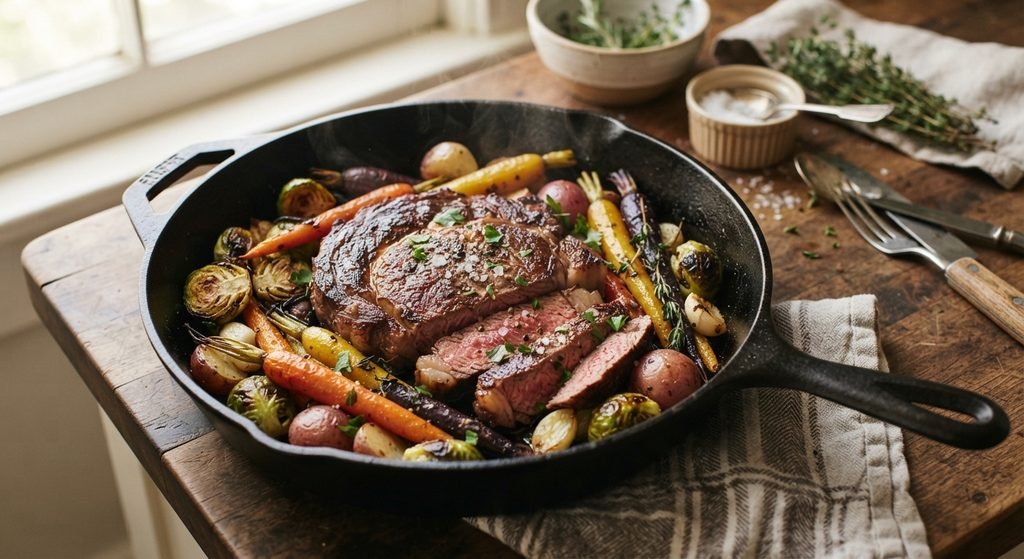
A 12-inch skillet provides more cooking surface and is useful for larger meals, steaks, roasted vegetables, and dishes that need plenty of space.
Remember that cast iron is heavy. A larger skillet gives you more room, but it also becomes harder to lift and maneuver.
Consider the Weight
Weight is one of the defining characteristics of cast iron cookware.
The heavy construction helps the skillet retain heat, but it can also make everyday handling less convenient.
Think about how often you will need to move the skillet from the stove to the oven, transfer it to the table, or pour food from it.
If the pan feels difficult to handle when empty, it will feel even heavier once filled.
For many home cooks, a medium-sized skillet provides a good balance between cooking surface and practicality.
Look at the Cooking Surface
Traditional cast iron has a textured surface, although some manufacturers produce skillets with smoother interiors.
A well-maintained cast iron surface can become increasingly easy to cook with as seasoning develops.
The surface should be free from major cracks, deep damage, or areas of severe corrosion.
If you are buying a new skillet, the manufacturer’s instructions will explain how the surface has been prepared and whether additional seasoning is recommended.
Understand Seasoning
Seasoning is one of the most important characteristics of cast iron.
In simple terms, seasoning is a layer created when cooking oil bonds to the surface of the iron through heat. With regular use and proper care, this layer can become more developed.
A well-maintained surface can help reduce sticking and protect the cookware from moisture.
Seasoning does not mean the skillet becomes permanently nonstick. Cooking technique still matters.
Using appropriate heat, enough cooking fat, and allowing food to develop a crust before trying to move it can all help.
Check the Handle
The main handle should feel secure and comfortable.
Cast iron gets extremely hot during cooking, so handle design matters more than it might seem.
Some skillets include a smaller helper handle opposite the main handle. This can make a heavy skillet easier to lift with two hands.
If you plan to use the skillet in the oven frequently, consider whether the handle design will be practical when the cookware is hot.
Always use appropriate protection when handling heated cast iron.
Look for Pouring Spouts
Some cast iron skillets have pouring spouts on one or both sides.
They can be useful when removing excess fat, transferring sauces, or pouring cooking juices.
They are not essential, but they can make certain tasks easier.
If you regularly prepare foods that produce a lot of liquid or cooking fat, this small feature may be worth considering.
Check Oven Compatibility
One of the major advantages of cast iron is its ability to handle high cooking temperatures.
However, individual skillets can have different designs, coatings, or handles.
Before using a particular skillet in the oven, check the manufacturer’s instructions for its temperature limits and components.
A basic cast iron skillet is generally very versatile, but it is still important to know the specifications of the cookware you own.
Think About Maintenance
Cast iron requires a slightly different cleaning routine from many other types of cookware.
After cooking, allow the skillet to cool enough to handle safely. Clean it according to the manufacturer’s recommendations and dry it thoroughly.
Moisture should not be left sitting on the surface for extended periods because it can contribute to rust.
A light coating of cooking oil may be recommended after cleaning, depending on the condition of the skillet and the manufacturer’s instructions.
The goal is simple: keep the surface dry and maintain the seasoning.
Is Cast Iron Right for You?
Cast iron is particularly useful for foods that benefit from strong, steady heat.
It can be excellent for:
- Steaks
- Burgers
- Roasted vegetables
- Cornbread
- Skillet meals
- Searing meat
- Baking
- Frying
However, it may not be the most convenient choice for every kitchen.
If you prefer very lightweight cookware or want something that requires minimal maintenance, another skillet material may suit you better.
Final Thoughts
Choosing a cast iron skillet is mostly about finding the right balance between size, weight, surface, handle design, and maintenance.
For many home cooks, a well-made 10- or 12-inch skillet is versatile enough to handle a wide range of meals.
You do not need the largest or most expensive model. The best skillet is one that feels manageable in your kitchen and matches the type of cooking you actually do.