There is something surprisingly satisfying about eating leftovers the day after they were cooked. Some dishes seem to develop a deeper, richer flavor overnight, making them taste even better than they did when freshly prepared.
This is not simply imagination. Several changes can take place in food as it cools, rests, and is reheated.
The effect is particularly noticeable in dishes made with multiple ingredients, sauces, spices, and slow-cooked components.
Flavors Have Time to Come Together
When a dish is freshly cooked, its ingredients may still taste quite distinct.
As the food rests, flavors can gradually blend together. Sauces come into contact with meat and vegetables, spices spread throughout the dish, and ingredients absorb some of the surrounding flavors.
This can create a more unified taste when the food is eaten later.
Spices Can Become More Noticeable
Many dishes contain spices, herbs, onions, garlic, or other strongly flavored ingredients.
After cooking, these flavors continue to interact with the other ingredients. Given enough time, the overall flavor can become deeper and more balanced.
This is one reason dishes such as stews, curries, soups, and certain sauces can taste particularly satisfying after resting overnight.
Sauces Can Penetrate Ingredients
Moisture plays an important role in many leftovers.
Ingredients such as meat, vegetables, pasta, and grains can absorb some of the surrounding sauce as the dish sits.
That can change both flavor and texture.
A piece of meat surrounded by a flavorful sauce, for example, may taste more integrated into the dish the following day because the flavors have had more time to interact.
Cooling Changes Food’s Structure
Food does not remain exactly the same after it leaves the stove.
As it cools, fats can solidify, starches can change structure, and moisture can move between different components.
These changes can affect how food tastes and feels when it is reheated.
Some of these effects improve certain dishes, while others can make food less appealing.
Not Every Food Improves Overnight
The idea that leftovers always taste better is definitely not true.
Foods that depend heavily on crispness are often better immediately after cooking. Fried foods, crispy vegetables, and certain baked dishes can lose their texture as moisture moves through the food during storage.
Fresh salads can also become less appealing when dressings soften delicate ingredients.
The dishes most likely to benefit are generally those where flavor integration matters more than crisp texture.
Stews Are a Classic Example
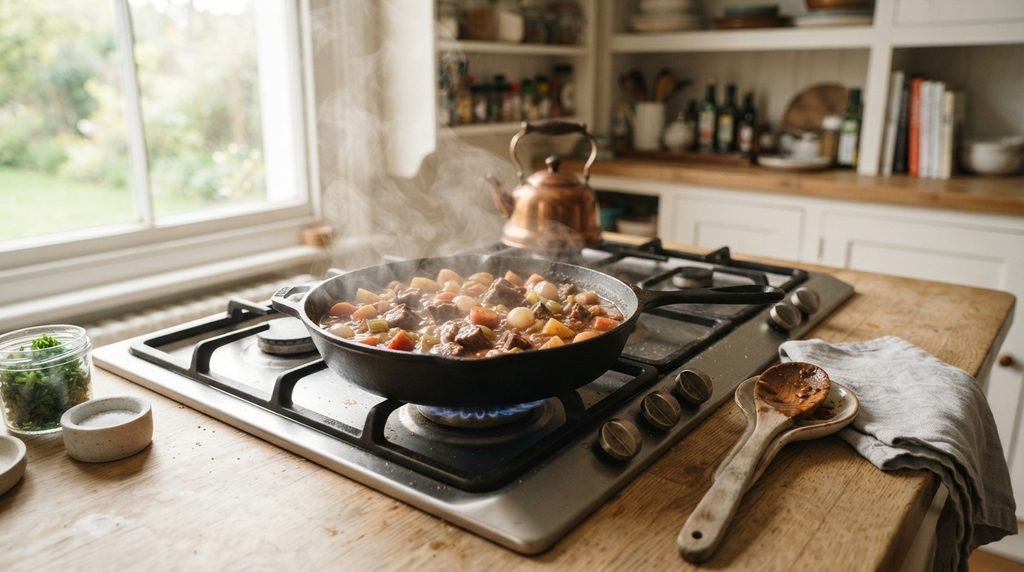
Stews are particularly well suited to resting.
They often contain meat, vegetables, stock, herbs, spices, and other ingredients that spend a long time together during cooking.
After cooling and resting, those flavors can become more integrated. When the stew is reheated, the result can taste deeper and more developed.
This is one reason stews have traditionally been prepared in large batches.
Soups Can Change Too
Many soups also benefit from resting.
The ingredients continue to exchange flavors while the soup sits, particularly when the broth contains herbs, spices, vegetables, or meat.
However, delicate ingredients may not benefit in the same way. Fresh herbs, crunchy vegetables, or ingredients that are supposed to retain a particular texture can lose some of their appeal after storage.
The Reheating Process Matters
How leftovers are reheated can influence their final quality.
Gentle reheating can help preserve moisture and prevent some foods from becoming excessively dry. Other dishes benefit from higher heat because it can restore some of the texture lost during refrigeration.
For crispy foods, an oven or air fryer can often produce a different result from reheating in a microwave.
The goal is not simply to make leftovers hot again, but to restore as much of their original texture and flavor as possible.
There Is Also a Psychological Element
Part of the appeal may simply come from familiarity.
When we eat leftovers, we already know what the dish tastes like. There is no surprise involved, and the meal can feel comforting and familiar.
But the chemical and physical changes that occur during storage and reheating are real, which helps explain why certain dishes genuinely can taste different the next day.
Final Thoughts
Some foods taste better the next day because their flavors have had more time to blend, sauces can be absorbed, and the structure of certain ingredients changes as the food cools and is reheated.
It does not work for every dish, but hearty foods such as stews, soups, curries, and saucy meals often benefit from the extra time.
Sometimes, waiting until tomorrow really does make dinner better.